Bridging the Clouds: Back on RunAs Radio

It’s hard to believe, but it’s been a couple of years since I last sat down with Richard Campbell on RunAs Radio. Technology moves fast, but the cloud landscape has matured in ways that were only just beginning during my last visit.

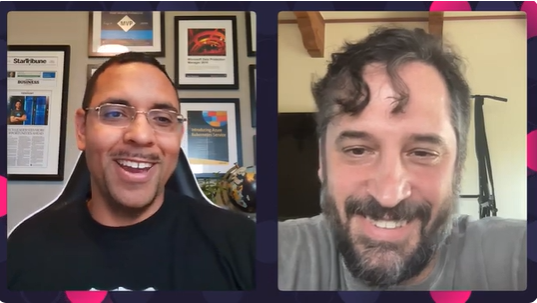
I recently joined Richard for my third appearance on the show (Episode #1025) to talk about a challenge that is becoming the “new normal” for major SaaS providers: Expanding a Cloud-Native stack across multiple clouds.

From Single-Cloud Roots to Multi-Cloud Reality

At Jamf, we’ve built a powerful reputation for managing Apple devices at scale. Historically, our SaaS product was rooted in AWS. However, as our customer base grows, now serving over 70k+ customers worldwide the demand for flexibility grows with it.

In this episode, we discuss the journey of bringing those SaaS workloads to Azure and AKS. It isn’t just about “moving” code; it’s about architecting for consistency without losing the unique benefits of each cloud provider.

Kubernetes: The Common Ground (But Not the Whole Story)

One of the key takeaways from our chat is that while Kubernetes (AKS, EKS, GKE) provides the common operating system for the modern cloud, it isn’t a “magic wand” for multi-cloud.

To achieve true consistency, you have to look past the orchestrator and focus on the surrounding ecosystem. We dove into the complexities of:

  • IaC & Deployment: Why tools like OpenTofu are becoming essential for maintaining cloud-agnostic deployments.
  • Observability: Using Prometheus and Grafana to ensure that your SRE teams see the same data regardless of whether the backend is Azure or AWS.
  • Identity: Navigating the friction between different identity providers to ensure a seamless experience for the end user and how platforms like Okta support this.

The Docker & AI Connection

We couldn’t have a conversation in 2026 without touching on the elephant in the room: AI. As a Microsoft MVP focused on AKS and a Docker Captain, I’ve been watching closely how the Kubernetes and container ecosystem is evolving to support AI/ML workloads. Richard and I spent some time discussing how Docker, Inc. is positioning itself in this space and how developers can leverage these tools to build AI-ready applications without getting locked into a single vendor’s proprietary stack.

Reflections on a Maturing Landscape

Coming back to RunAs Radio for a third time allowed me to reflect on just how much our industry has shifted. We’ve moved past the “is the cloud safe?” phase and into the “how do we optimize for a multi-cloud world?” phase.

Whether you are a platform engineer, a developer, or a technical leader, the lessons I’ve learned at Accenture, Microsoft, helping startups, and now at Jamf while scaling across multple clouds are applicable to almost any modern enterprise.

You can listen to the full episode here: RunAs Radio #1025: SaaS on Multiple Clouds with Steve Buchanan

I’d love to hear your thoughts. Is your organization looking at multi-cloud for SaaS, or are you doubling down on a single provider?

Read more

Speaking at Open Source North 2025 on Multi-Cloud

I am excited to share that I will be speaking at this year’s Open Source North conference on May 29, 2025, at the University of St. Thomas in St. Paul.

This year, I’m teaming up with my fellow Jamf, Levi McCormick (Director of Engineering at Jamf), for a session that is very close to our daily reality: Multi-Cloud Without the Marketing or Designing for Multi-Cloud Without Losing Your Mind.

Why this talk? In the cloud industry, “Multi-Cloud”, “Cloud Native”, and “Iac via Terraform” are often sold as magic pills for redundancy, cost savings, unifaction and more across clouds. But for the people actually building and maintaining these systems, it can often feel like a recipe for complexity and technical debt.

At Jamf, Levi and I work on our infrastructure efforts across AWS, Azure, and GCP. We’ve learned—sometimes the hard way—what works, what doesn’t, and where the “hype” version of cloud differs from the “production” version. We wanted to build a session that focuses on the practical:

  • How to design for portability without over-engineering.
  • Managing identity, networking, and security across different providers.
  • Avoiding the “lowest common denominator” trap.
  • Keeping your sanity while managing three different clouds.

Open Source North is a great local event to the MN Tech scene because of the high-caliber community and the focus on real-world engineering. Whether you are a cloud veteran or just starting to look at a second provider, we’d love to see you there.

The Details:

If you’re attending, please connect on LinkedIn or find us after the session. We’d love to hear how your team is tackling these same challenges!

Read more

Recent Blog Posts: MCP Servers, Dev, Multi-cloud Mastery, and Cloud Engineer Resumes

This is a shorter post, but I wanted to take a moment to share what I’ve been working on lately. Over the past few months I’ve been publishing a steady stream of blog posts on Pluralsight, covering topics across cloud, AI, JavaScript, and beyond. There’s a lot happening in tech right now, and I’ve been fortunate to collaborate with the Pluralsight team to dive into some of these exciting areas:

Check out an overview the blog posts and use the the following links to read more:

Behind the Buzzword: What is MCP (MCP Server)?
A breakdown of MCP servers and why they matter in the evolving landscape of AI.
👉 Read the post

How to Run an LLM Locally on Your Desktop
Exploring why and how you might want to run a large language model on your own machine, with a closer look at Docker Model Runner.
👉 Read the post

What to Emphasize on Your Resume as a Cloud Engineer
Tips on showcasing the skills that make cloud engineers stand out in today’s job market.
👉 Read the post

Multicloud Mastery: How to Train Teams in AWS, Azure, and GCP
Practical advice on enabling engineering teams to work across multiple clouds with confidence.
👉 Read the post

6 Cloud Cost Optimization Strategies and Tools for AWS, Azure, and GCP
A set of proven strategies and tools to help control and reduce cloud spend.
👉 Read the post

How to Add User Authentication to Your JavaScript App
A straightforward guide to securing your JavaScript applications with simple authentication techniques.
👉 Read the post

I’ll be continuing to publish more content in the months ahead, so stay tuned for future posts on cloud-native engineering, AI, and practical developer skills. If you found these articles useful, I’d love for you to check them out and share them with your network.

Read more

My 9th Book – The Modern Developer Experience Published on O’Reilly!

I’m thrilled to share that my latest book, The Modern Developer Experience (ISBN: 9781098169695), is now available on O’Reilly! 🎉It is a shorter book known as a report with 4 chapters total. You can read the book on O’Reilly’s learning platform.

I am excited about this book because in today’s fast-paced tech world, developers don’t just write code, they navigate cloud platforms, cloud native tools and frameworks, integrate AI, automate workflows, and collaborate across teams to drive innovation. This book is a deep dive into the evolving role of developers and how modern tools, frameworks, and methodologies are shaping the future of software engineering.

Here is the offical book description:

DevOps has delivered transformative changes to tooling and processes, but with it comes new layers of complexity. More modern frameworks and tools, like containers, Docker, Kubernetes, Platform Engineering, GitOps, and AI can accelerate development, but understanding their unique challenges (and how to address them effectively) can make the difference between a team that struggles and one that thrives.

This report explores how organizations can improve the developer experience (DevEx) by reducing complexity, streamlining workflows, and fostering supportive environments. Whether your organization is deeply invested in DevOps or simply looking to improve team performance, this report highlights strategies to elevate your development practices and outcomes.

Here are the chapters:
1. The Modern Developer Experience

2. Raising the Bar, Providing the Right Developer Environment

3. Using AI to Enhance DevEx

4. Developer Experience and the Secure Supply Chain

📖 Whether you’re a developer, team lead, or engineering manager, this book will help you refine your processes and create an environment where developers can thrive.

🔗 Check it out here: The Modern Developer Experience on O’Reilly

Read more

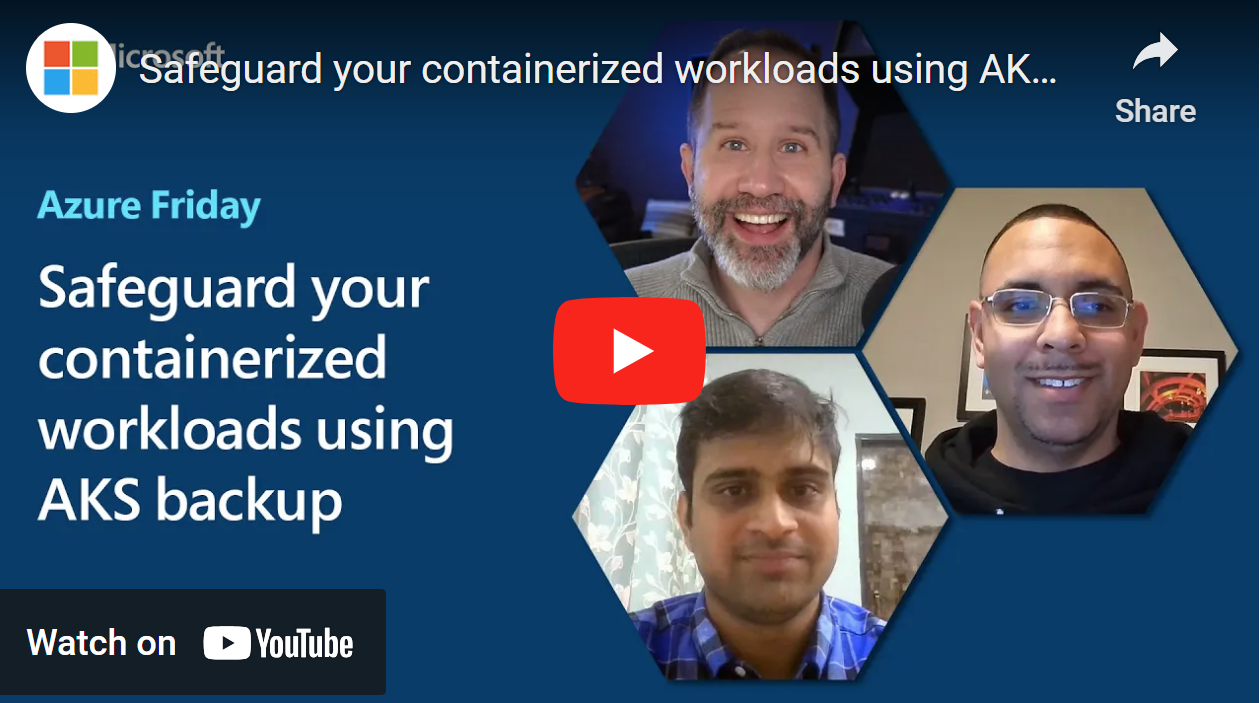
Azure Friday: Safeguard your containerized workloads using AKS backupAzure Friday:

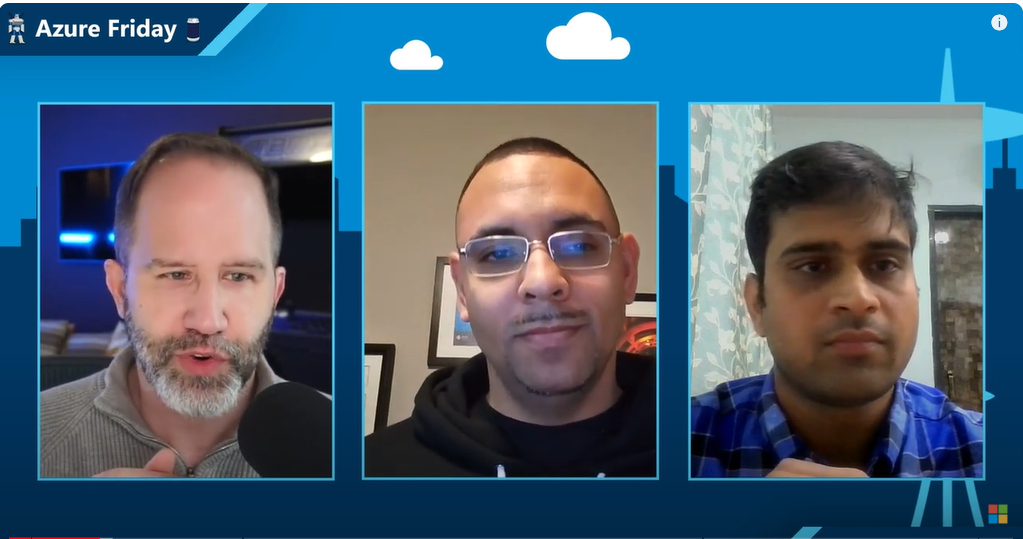
I am happy to share a new episode of Azure Friday. It was an honor to appear along side Senior Product Manager Rajat Shrivastava in this episode to talk about AKS Backup. I this episode we joined Scott Hanselman to explore the functionality of AKS backup in safeguarding containerized apps and their data on AKS.

Backup is frequently overlooked, only gaining significance when a failure necessitates recovery. In the realm of Containers and Kubernetes, it is often perceived as unnecessary. However, the reality is that backups are essential even for containerized environments. Microsoft has introduced a backup solution for Azure Kubernetes Service (AKS) and its workloads, leveraging Azure Backup.

In this episode we dove into the importance of backing up containers, even when they are predominantly stateless. The episode sheds light on why safeguarding containers is crucial and provides insights into the workings of AKS backup in ensuring the protection of workloads running on AKS.

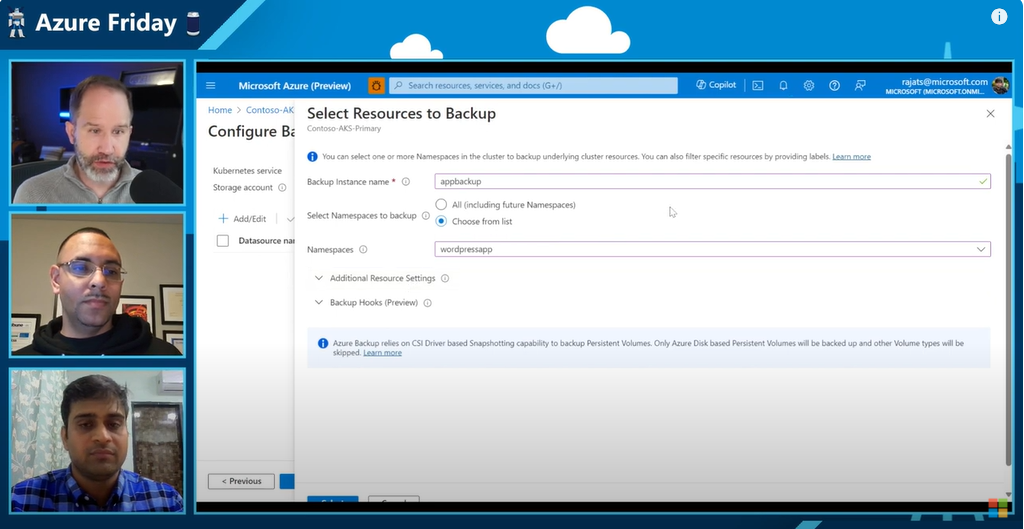
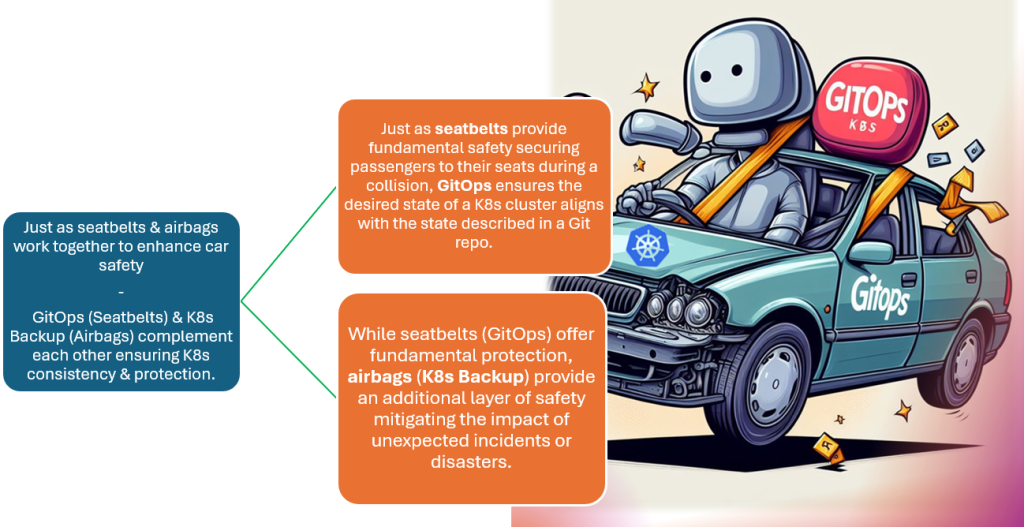
In the episode we also explore questions you may have about backing up K8s and we dive into demos showing how to protect AKS with AKS backup and how to do a restore. We even took time to answer this common question “Do I really need to backup my K8s cluster if I am running stateless apps & have everything in code i.e. IaC, CI/CD, or GitOps?”. The answer is yes. In fact one should think of it this way: “GitOps & K8s Backup are like Seatbelts & Airbags”. Here is a graphic to break this down further:

You can check out the episode here:

Addtional resources on AKS and AKS Backup:
■ Backup for AKS: Cloud native, Enterprise ready, Kubernetes aware backup – https://aka.ms/azfr/766/01
■ What is Azure Kubernetes Service backup? – https://aka.ms/azfr/766/02
■ Cluster extensions – https://aka.ms/azfr/766/03
■ Prerequisites for Azure Kubernetes Service backup using Azure Backup – https://aka.ms/azfr/766/04
■ Create a Pay-as-You-Go account (Azure) – https://aka.ms/azfr/766/payg
■ Create a free account (Azure) – https://aka.ms/azfr/766/free

Read more

From SysAdmin to Platform Engineer with Steve Buchanan on RunAsRadio

I was recently a guest on the RunAsRadio podcast. This was the second time being on the show. The last time was 4 years ago. You can catch the old episode here: Terraform vs Bicep/ARM with Steve Buchanan.

This new episode is #924 and is titled: “From SysAdmin to Platform Engineer with Steve Buchanan“. On this new episode we talked about Platform Engineering and a bunch of other stuff.

Here is the description from the episode:

Aren’t we all platform engineers? Steve Buchanan says yes!

But there’s more to it. Steve talks about the mindset of looking beyond individual products that we might have skills with and owning the entire problem of providing platforms for your organization to get work done.

The conversation dives into the many products that can help our applications function better and the challenge of making them secure and fast. Are containers the solution? Possibly!

It’s your platform; focus on the fundamentals and go further!

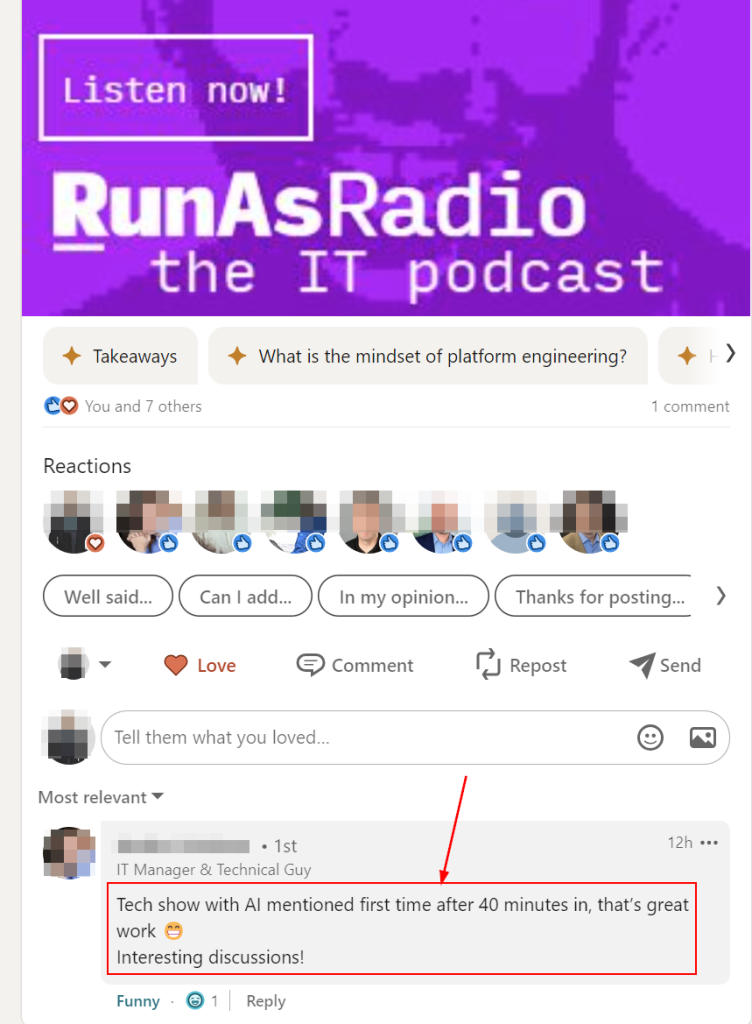
I had a great time chatting with Richard and we didn’t even mention AI until 40 minutes in. haha

You can check out the episode here:

https://runasradio.com/Shows/Show/924

or here:

Read more

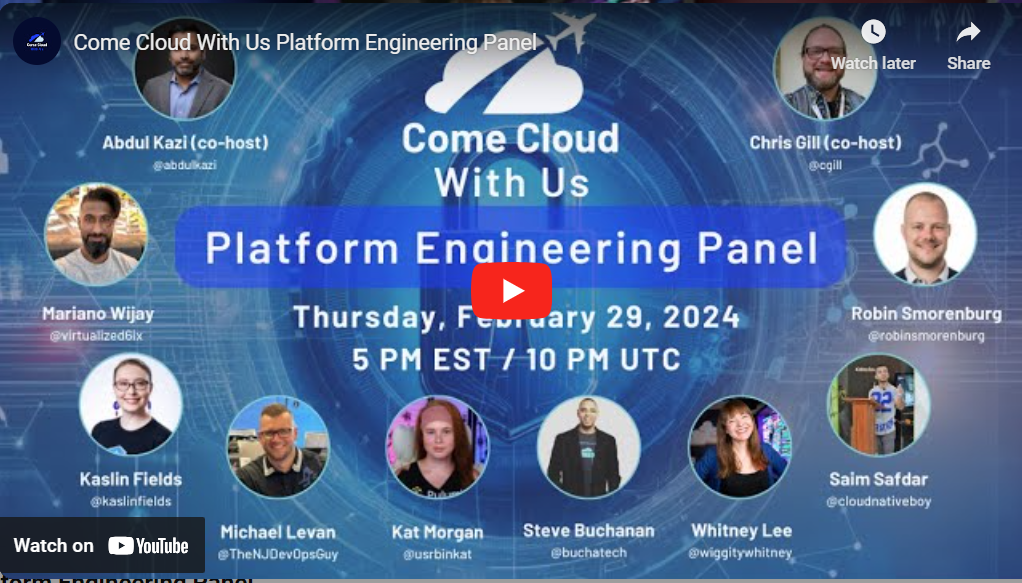
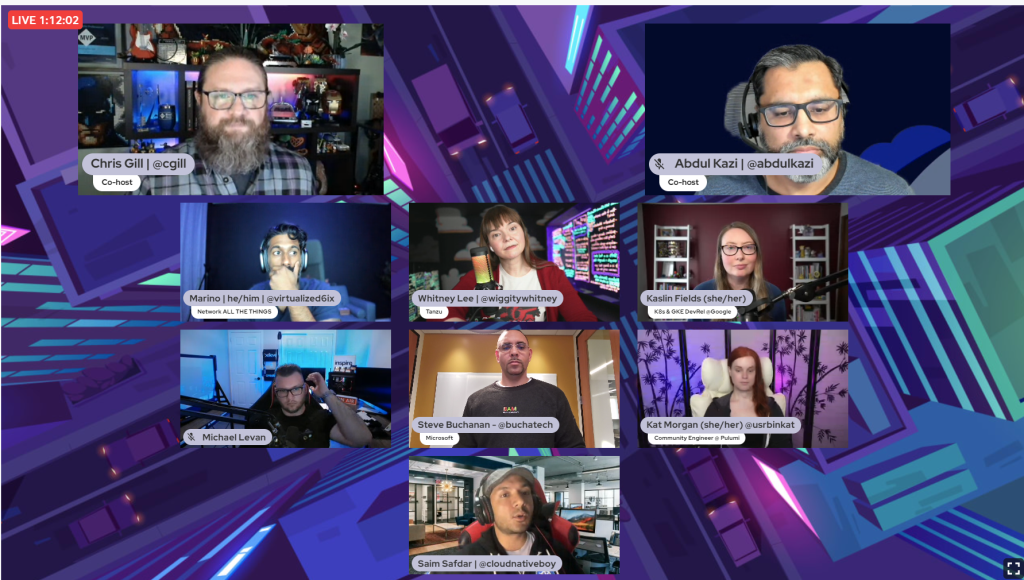
Platform Engineering Panel

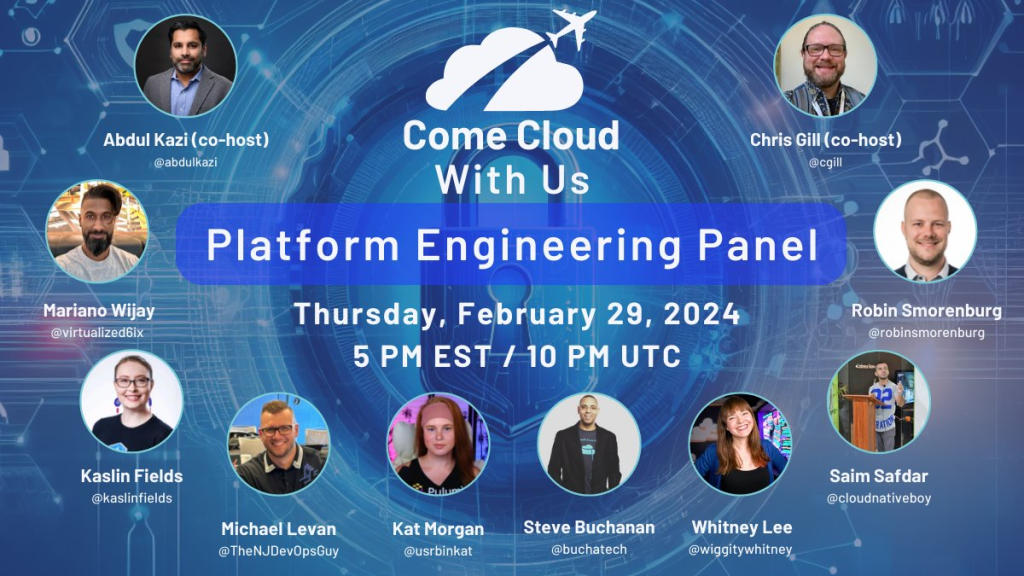
I am excited to be on another panel for the Come Cloud With Us folks!

This time this panel is focused on Platform Engineering. It will be at the end of February. You wont want to miss this panel! Here is more info about the panel:

When:

Thursday, February 29, 2024 at 4:00 PM to 5:30 PM CST

Where:

Online event

The Panel:
Steve Buchanan – Principal Program Manager at Microsoft
Kaslin Fields – Developer Advocate at Google
Marino Wijay – Cloud Native Solutions Engineering and Advocacy at Solo
Michael Levan – Chief Engineer/Consultant, Content Creator, and Trainer
Saim Safdar – Technical Leader and CNCF Ambassador
Kat Morgan – Developer Advocate at Pulumi
Whitney Lee – Staff Technical Advocate at VMware
Robin Smorenburg – Lead Cloud Architect – Azure MVP & CNCF Ambassador

Register:

https://www.meetup.com/comecloudwithus/events/298689442

**Update**

If you missed the live stream, no worries. You can watch the recording here:

Read more

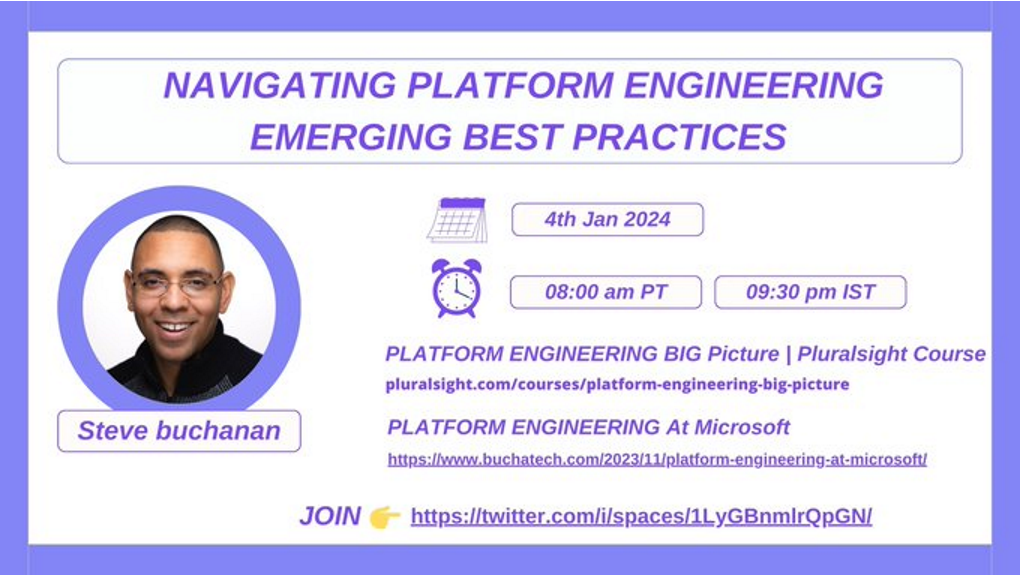
Twitter space – Navigating Platform Engineering Emerging Practices

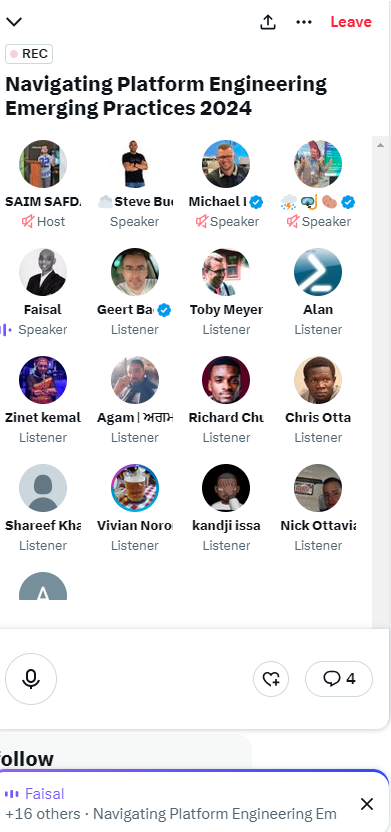
To kick off the new year I am trying something new. For the 1st time I will be speaking on a Twitter space. This Twitter space is about Platform Engineering. It was hosted by cloud native and open source champion SAIM SAFDAR (@cloudnativeboy).

On this twitter space we talked about how to prepare your journey of learning and navigating the Platform Engineering (PE) landscape, my latest PE course, the PE guide from Microsoft and emerging best practices, and taking question’s from folks on the space.

We even had special guest Kubernetes and Platform Engineering expert Michael Levan (@TheNJDevOpsGuy) show up on the space! He shared some great insight on PE as well.

If you missed the space you can watch a recording of the space here:

https://twitter.com/cloudnativeboy/status/1742960501490081846

Read more

Platform Engineering at Microsoft

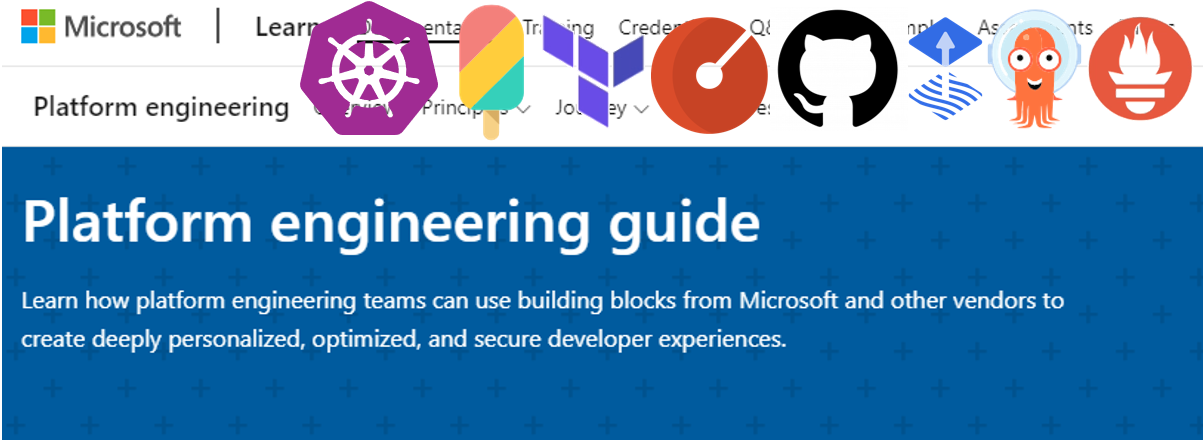
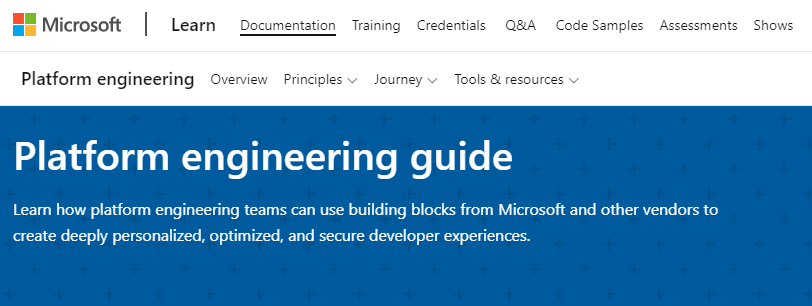
For a while, I have been hearing chatter around “What is Microsoft doing in the Platform Engineering space?” and “What is Microsoft’s stance on Platform Engineering?”. Well, today is the first day of Microsoft Ignite 2024 and I am happy to say Microsoft has officially released a Platform engineering guide. It can be found here: https://aka.ms/plat-eng-learn

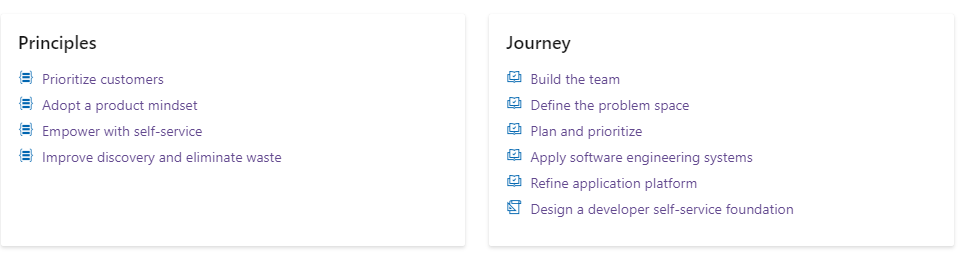
It is broken down into the following sections: Overview, Concept, How-To Guide, and Architecture!

Working through this guide will help you discover how platform engineering teams can leverage technologies from Microsoft and other vendors/providers to craft highly personalized, optimized, and secure developer experiences.

This guide essentially gives you the scoop on Microsoft’s perspective when it comes to Platform Engineering. It can be used to help you along your Platform Engineering journey!

Shout out to the core team that built this! DevDiv: Mark Weitzel, Chuck Lantz, Russell Conard and AKS Engineering: Daniel Sol.

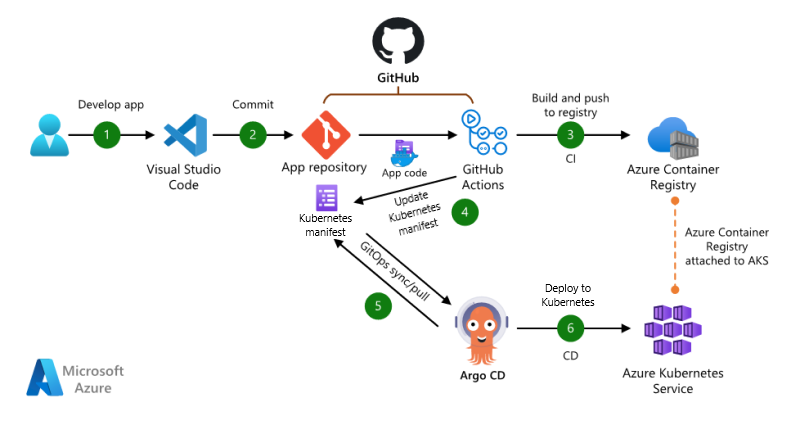
I was honored and happy to be one of the reviewers of this guide! Also, it was a nice surprise to find a reference to one of my past Azure Architecture center articles “CI/CD for AKS apps with GitHub Actions and GitFlow (GitOps)” in the Platform Engineering guide here: https://learn.microsoft.com/en-us/platform-engineering/engineering-systems#enable-automatic-application-infrastructure-provisioning-during-continuous-delivery.

Released today also is a blog post from Amanda Silver Corporate Vice President of Microsoft’s Developer Division on Building Paved Paths in Platform Engineering. In this blog post, she talks about the new PE guide, what PE is, Microsoft’s learnings in PE, developer happiness, and Microsoft’s overall perspective on Platform Engineering. Check it out here: https://devblogs.microsoft.com/engineering-at-microsoft/building-paved-paths-the-journey-to-platform-engineering/

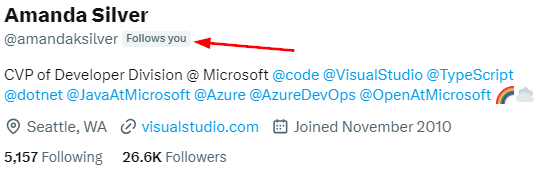
Another nice surprise today upon checking out Amanda’s Twitter profile is I discovered she is following me!

In addition to this new guide, there are a number of sessions at Ignite around Platform Engineering.

I will list them here with their links so you can watch them:

-Keynote by Amanda Silver: Productive and secure end-to-end developer experiences powered by AI

-Session by Mark Weitzel Principal Architect, DevDiv, and Dan Sol AKS Program Manager Breakout: Master Platform Engineering: Architecting Scalable & Resilient Systems

Discussion: Platform engineering Q&A with the Microsoft platform engineering team

Another cool thing launched today is Microsoft’s Platform Engineering Interest Group.

At Microsoft, we want to hear about your challenges with Platform Engineering and provide opportunities to connect with other teams, at Microsoft and at other companies, who are working together to build solutions in the Platform Engineering space. Joining this group will let you get exclusive early access to new tools and services from Microsoft. Sign up here:

https://aka.ms/plat-eng-signup

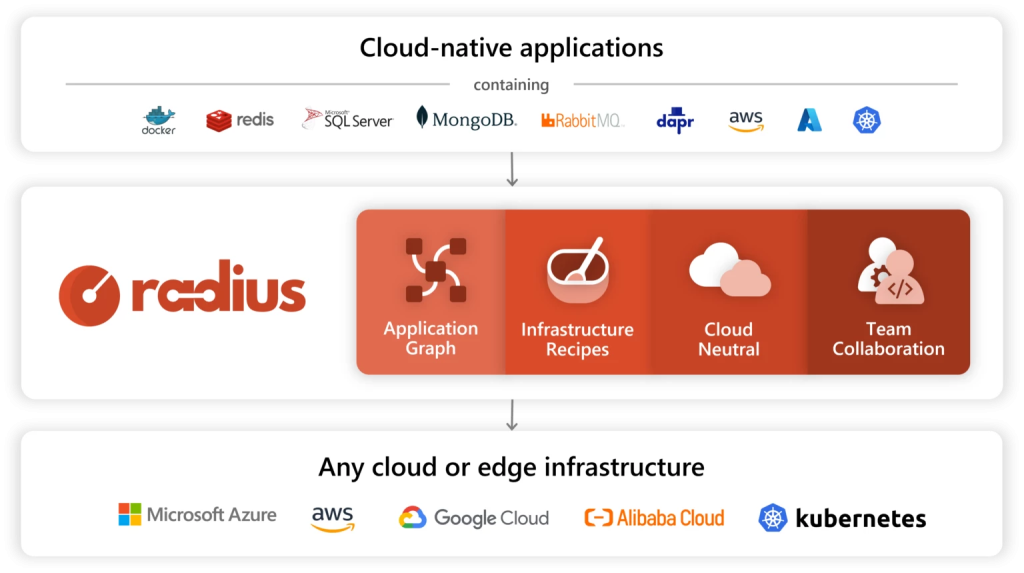
The last thing I want to mention in this post is a new open-source product from Microsoft named Radius. Radius is a single tool to describe, deploy, and manage your entire application. Radius is dedicated to addressing the platform engineering challenges associated with facilitating application deployments across on-premises infrastructure and major cloud providers such as Microsoft Azure and Amazon Web Services.

Radius is not an IDP. It’s an optional part of an IDP focused on the applications that provides infrastructure Recipes, simplifying the platform configurations like permissions, connection strings, and more to manage the application and its resources.

Radius empowers developers to comprehend their applications, recognizing that an application extends beyond Kubernetes alone. Radius assists developers in visualizing all the components that form their application. More about Radius here: radapp.io

Read more

Platform Engineering Discussion with Andrew Shafer

I’m very excited to announce something that has been in the works for a little while now. I was fortunate to interview the legendary Andrew Shafer (@littleidea). We had a discussion about Platform Engineering. If you don’t know Andrew here is his BIO:

Andrew Clay Shafer helped create the tools and practices that made DevOps a word. He is fascinated with the dynamics of high-performing individuals and organizations and has a reputation for improving outcomes at the intersection of Open Source, Cloud Computing and Software Delivery working on Puppet, OpenStack, Cloud Foundry and Kubernetes before founding Ergonautic to focus on improving the way people work.

Basically, he started this whole DevOps thing, was key in the DevOps Days events, has founded some high-profile companies, and more. He is the perfect person to chat with about Platform Engineering because if anyone knows it he does!

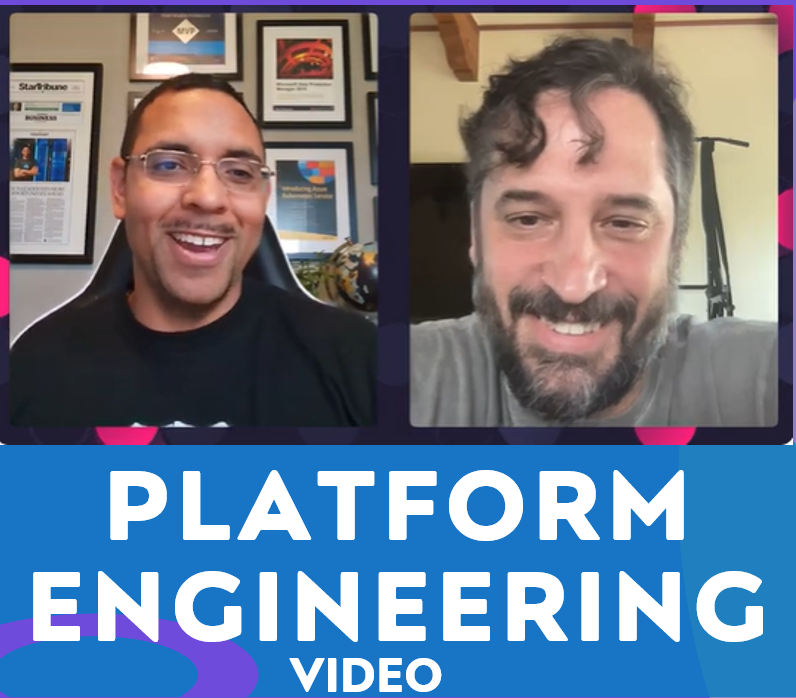
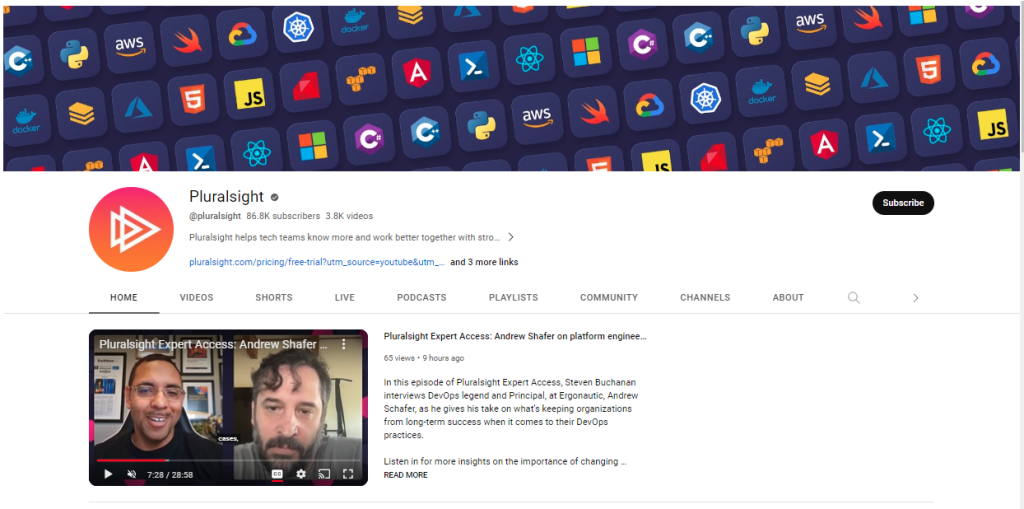
I chatted with Andrew in an episode of Pluralsight’s Expert Access. Expert Access is a YouTube series where we (Pluralsight authors) bring in some of the best minds in tech to hear how tech leaders are solving business challenges and their takes on what’s next.

The title of the episode is: “Pluralsight Expert Access: Andrew Shafer on platform engineering as an evolution, not a replacement“. In this episode, I interview Andrew, as he gives his take on what Platform Engineering is, what organizations are chasing to enable developers, and what’s keeping organizations from long-term success when it comes to their DevOps practices. In the discussion we tackle these questions and more:

  • Is Platform Engineering a result of failed DevOps efforts in organizations? Is it just a Service Catalog with the twist of it being geared towards devs?
  • Platforms are not a new concept in the software world. In one of your tweets, there is an interesting line “Continuous Delivery without a platform is malpractice.“ Is this highlighting that organizations have been doing DevOps without platforms? Can you break down this line for us? It seems like there may be a story behind this?
  • Some people may equate Platform Engineering to having an Internal Developer Platform, is this the core of PE or are there other technologies that are also core to it?

Watch the episode for more insights on the importance of changing practices–not just words–for achieving sustainable progress and seeing Platform Engineering as a holistic approach to DevOps and delivery.

Watch the video here:

Read more